
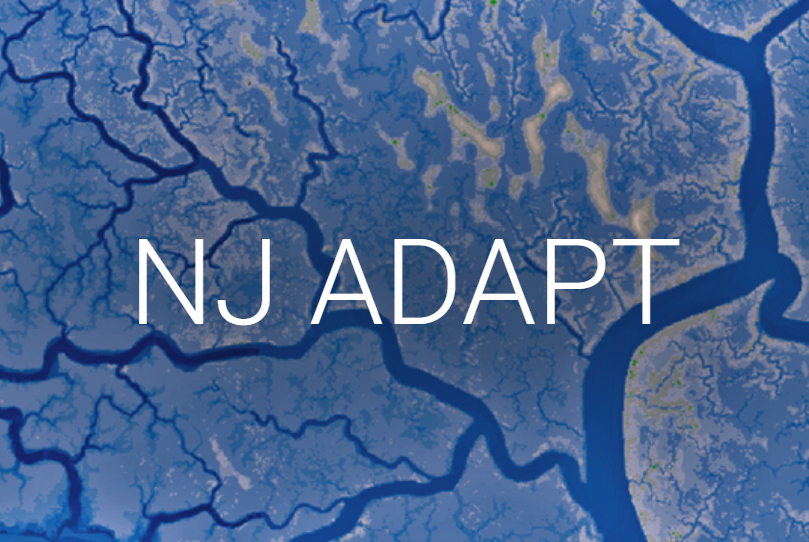
The center is a combination of educational resources, tools, and data focused on climate change. The tools available are targeted directly at stakeholders and created in collaboration with academics, technical advisory panels, and more. Their mission is to empower people with information. One of their biggest projects NJADAPT is a hub for climate data statewide and at the community level. They have various programs such as webinars and workshops to guide stakeholders in how to leverage the tool, including training for local officials and planning boards. Their work is through two-way knowledge exchanges where the communities, planners, and local governments inform NJCCRC on what information and tools would be helpful for them and NJCCRC provides data, education, and tools.The New Jersey Climate Change Resource Center (NJCCRC) at Rutgers University was formalized in 2020, building off ongoing work at the university for over a decade beforehand. In 2011, the NJ Climate Adaptation Alliance was created bringing together academics, business leaders, NGOs, and local governments to address climate change in NJ. A major factor in the establishment of NJCCRC was Hurricane Sandy. The devastating impact of the storm turned state attention towards climate action.
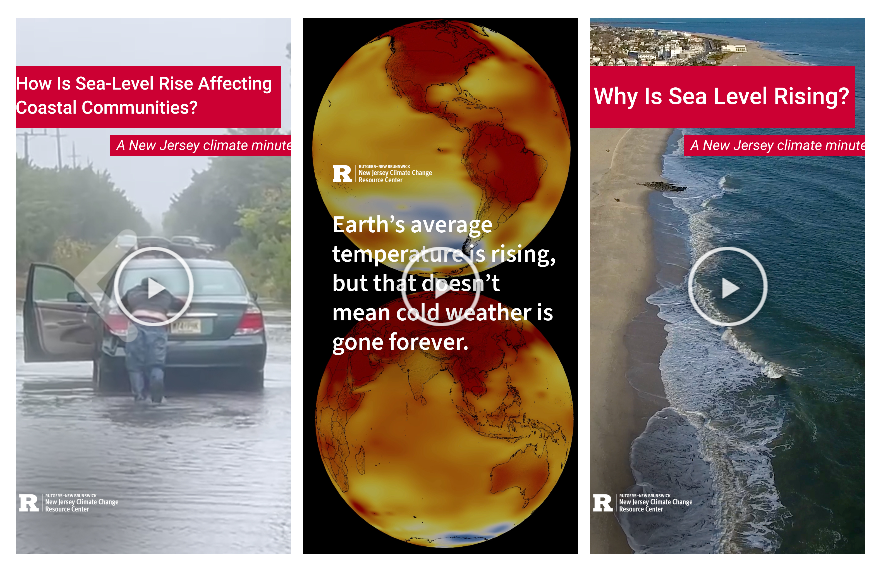
They have also worked to support mobility programs such as the Go Trenton program, which offers an e-bike incentive for low income residents. They have supported Hudson County Complete Streets for safer mobility solutions. This work has been done through their Transformative Climate Communities program which offers funding to programs and initiatives that are working to reduce greenhouse gas emissions.NJCCRC recognizes that overburdened communities disproportionately experience the impact of climate change. Extreme heat islands, limited green space, air quality, infrastructure failure, and stormwater management are among the issues that plague overburdened communities in New Jersey. These are often the result of systemic issues and the lack of resources to address them. As a part of the NJADAPT suite, people from overburdened communities (and all communities across the state) can access climate snapshots for their local municipality where they will find climate impact reports. This is a great starting point for those interested in exploring the direct impact of climate factors on their communities. The NJ Flood Mapper is another great tool to explore the impact of flooding on your community. The Public Health Adapt tool highlights impacts related to heat, health conditions, and more.
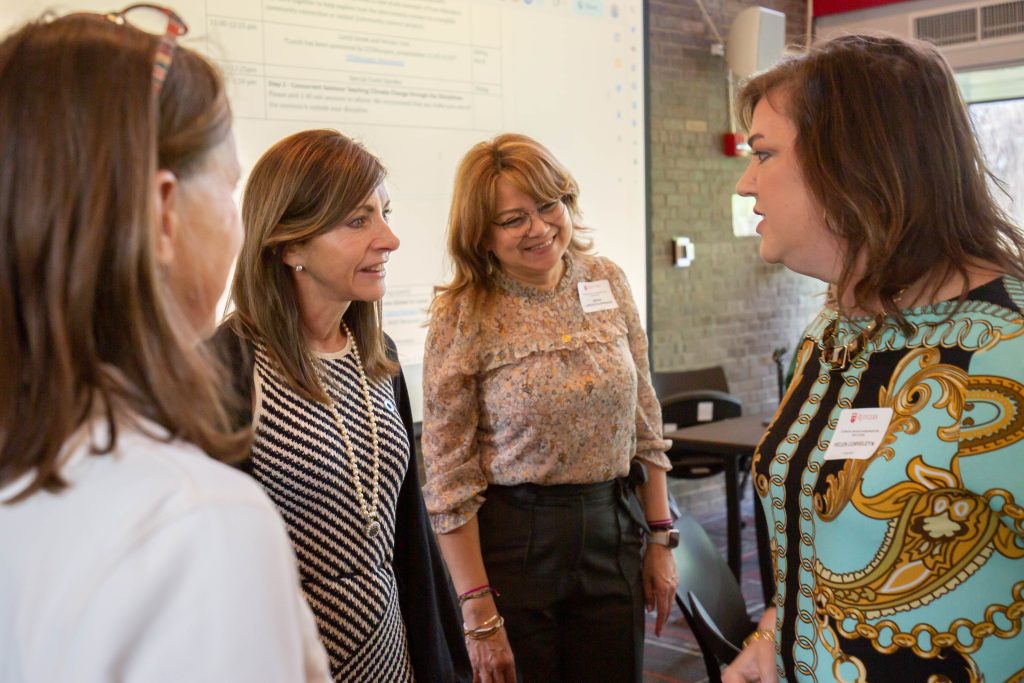
Other initiatives on the frontline for NJCCRC are training for those in the agricultural community on extreme weather and reducing emissions, research conferences, projects for state agencies, examining historic water bodies to better understand flood risks, resilience in coastal restoration projects and many more. Another exciting initiative that will help develop a more climate prepared and resilient New Jersey is the law passed in 2021 requiring municipalities to incorporate a Climate Change Vulnerability Assessment in their master plans. This law which was created with research and support from NJCCRC will ensure municipalities are considering climate impacts and resilience when they update master plans on a ten year cycle.The work being done at NJCCRC is all about our future and taking action today to be better prepared for the impacts of climate change, and of course working to reduce those impacts. One of the best ways to ensure a better future for all is educating the next generation. NJCCRC has focused efforts on educating students and teachers k-12 on climate change. They have a climate literacy course where teachers from school districts from across the state are informed on climate change in ways that they can bring back to the classroom. At an educational summit supported by NJCCRC students gathered to share their research on climate change. They are continuing to develop and expand their k-12 program.
Thank you to Marjorie Kaplan and Lucas Marxen for sharing the inspiring work being done at the NJCCRC. Photos sourced from the center’s website with permission. Learn more about the New Jersey Climate Change Resource Center here.