
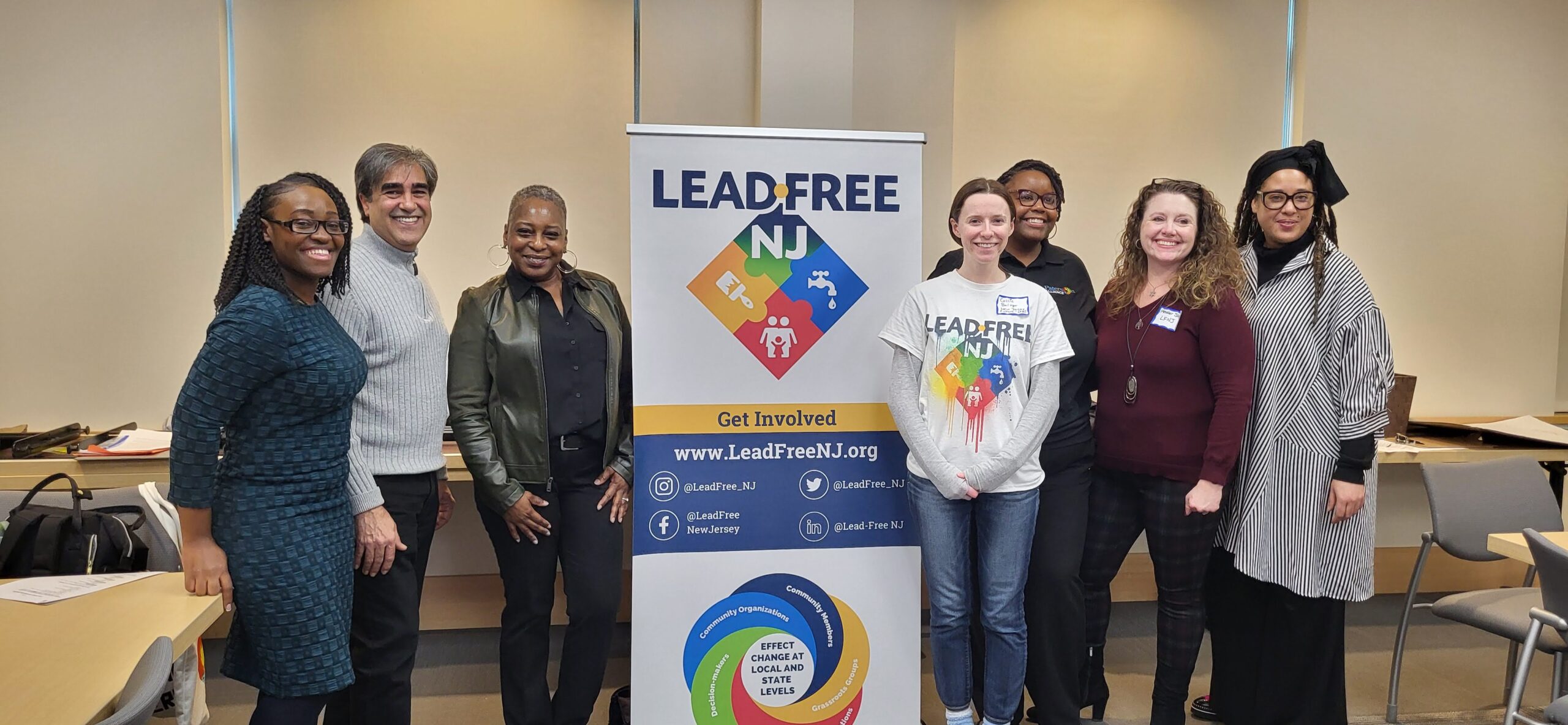
Lead-Free New Jersey (LFNJ) is a statewide collaborative first launched in 2019 to address toxic lead contamination in New Jersey. Organizations across the state were working on lead free initiatives but there was a lack of a centralized hub to create a collective impact. LFNJ recognizes that lead is a multi-faceted issue, involving aspects such as housing, health, education, and water. As a part of their structure they have a health committee and housing committee, each composed of experts in the respective field. They are also focused on community voices and needs, prioritizing community perspectives to make sure people are respected and not tokenized. Collectively this approach allows for an effective mix of remediation, policy action, and community work.
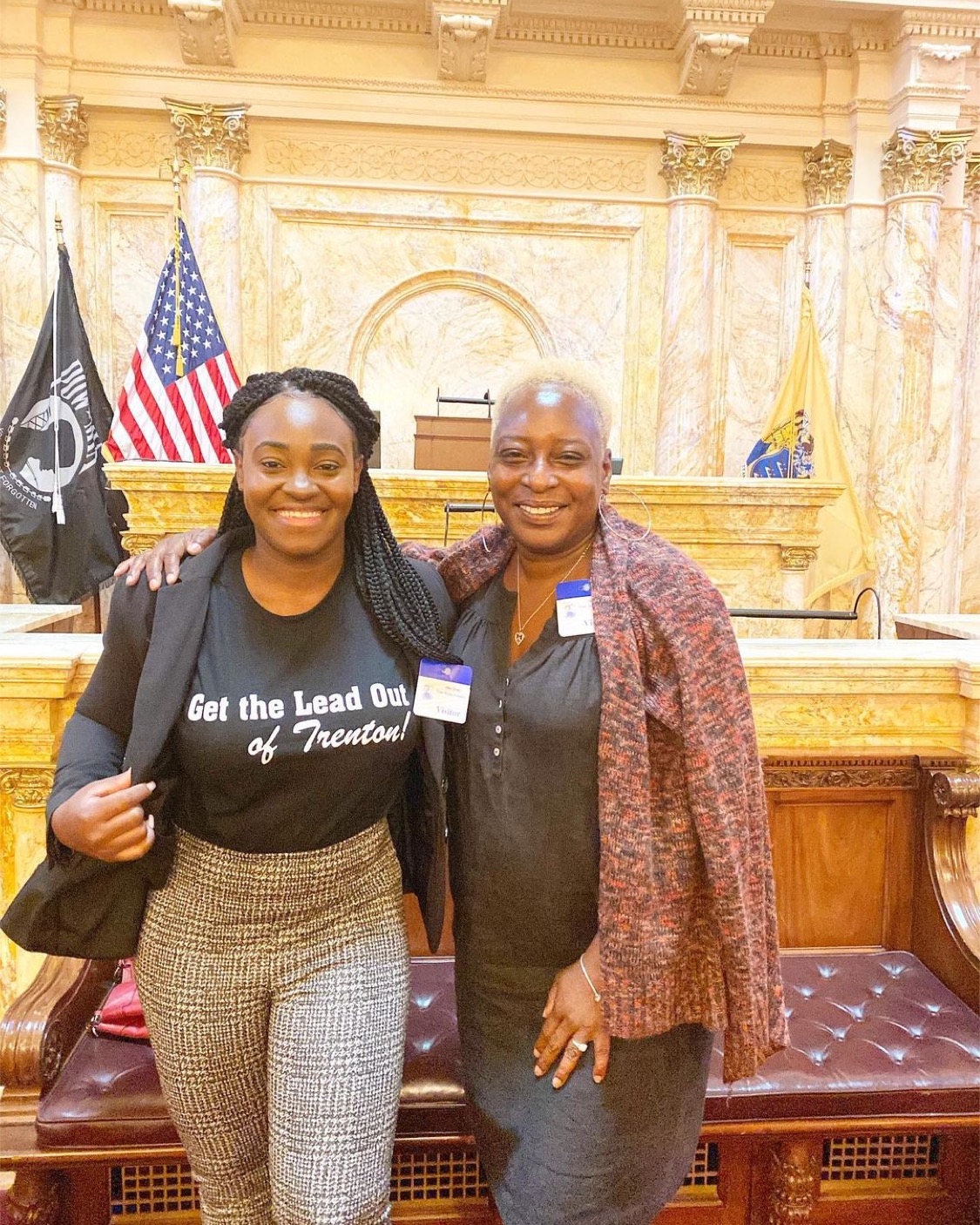
Today, LFNJ participates in three major community hubs in the highly affected cities of Trenton, Paterson, and Orange. In the community hubs, community members bring issues directly to the committees to collaborate on solutions. An important aspect of the community hubs is that they come with funding attached, which gives communities the resources to enact changes such as translation services, gardening and daycare programs, etc. This approach has brought along successes such as the Maternal Blood Level Testing Bill which calls for doctors to encourage pregnant people who may have been exposed to get tested. In terms of housing, there is the Lead Service Rights law which states tenants have the right to be informed on water quality results. Similarly, the Lead Paint Certification Law which requires landlords to do lead testing and provide the results to tenants.Lead contamination is closely linked with environmental equity challenges. Overburdened and low income communities are more likely to be exposed to lead though contaminated water, old buildings and infrastructure, and even through food seasoning. Communities facing these struggles have shared with LFNJ that access to information and resources to combat lead contamination is a huge barrier, along with fear of losing housing or retaliation.
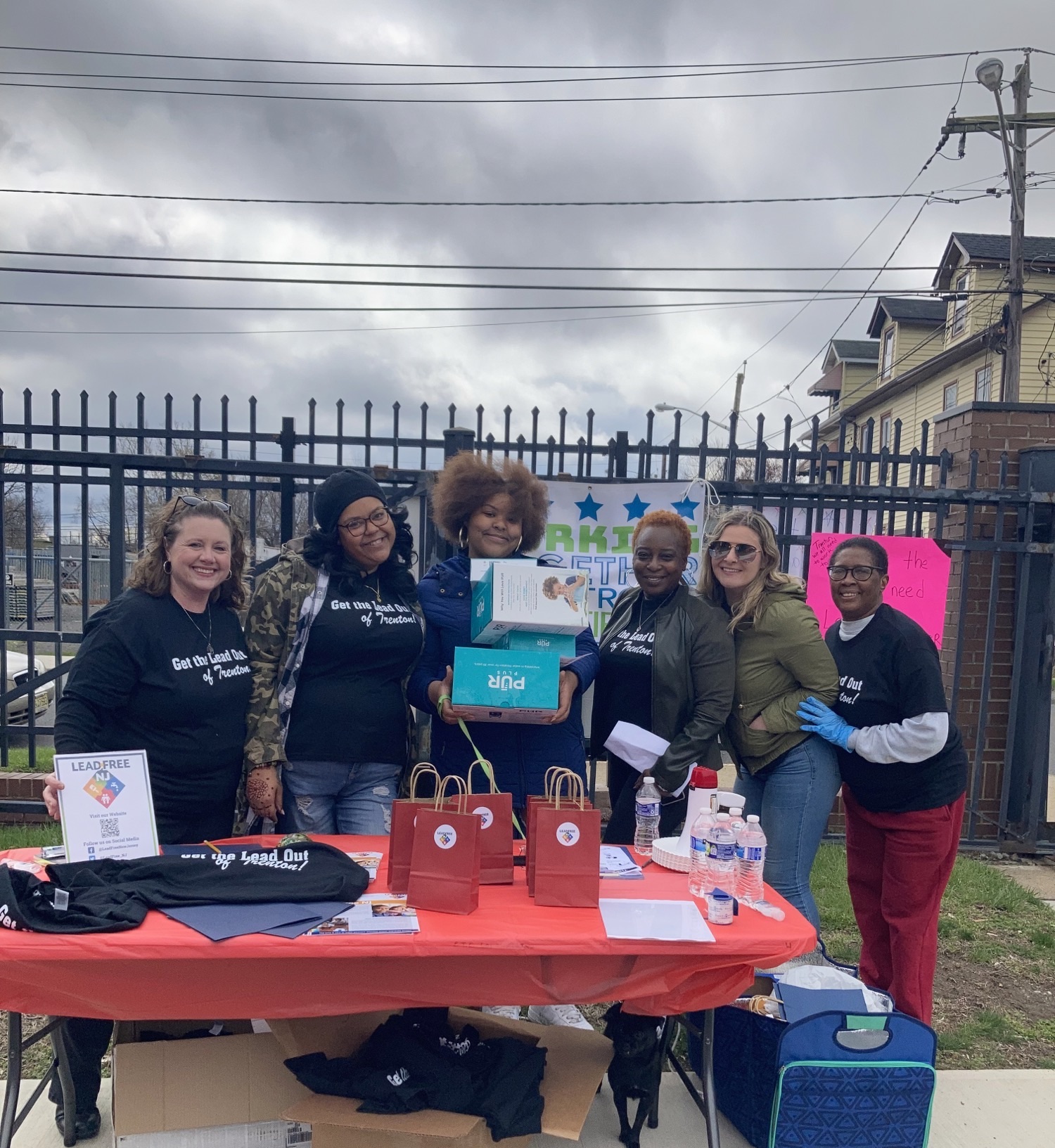
There are many ways to get involved to support your community’s health. One major way is to stay educated on lead contamination and your rights. Lead-Free New Jersey has resources on their website that provide information on potential sources of lead poisoning, tenant rights, health effects, and more. The community hubs offer onsite testing at local events and there are Water Advocacy Meetings open to the public regularly. You can also sign up for the Lead-Free New Jersey newsletter to stay informed.
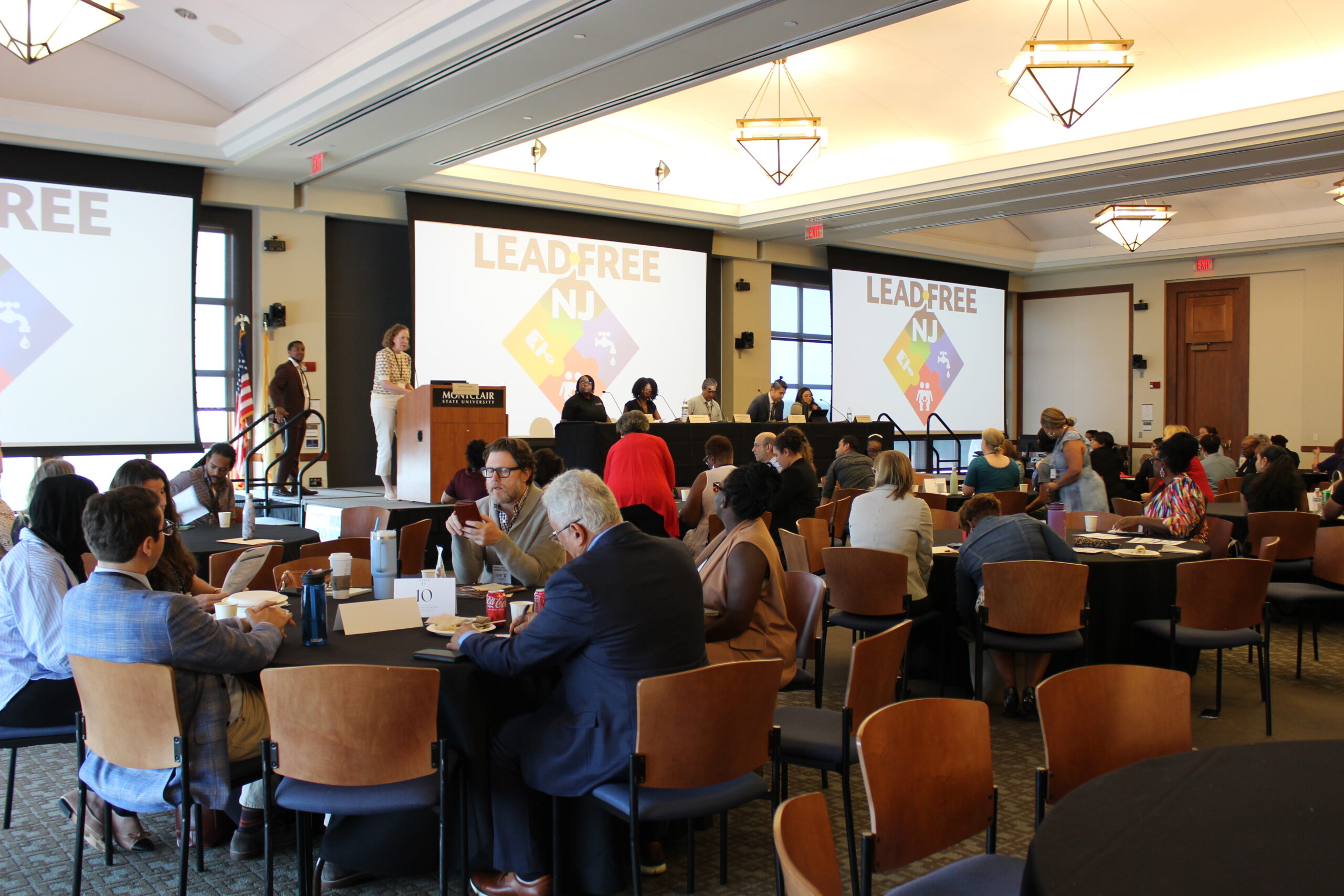
As LFNJ continues to combat lead contamination they are promoting the state’s Lead Free Remediation Program to bring awareness and enrollment. They are continuing to work towards policy changes that better protect and inform individuals and communities. They are supporting getting funding for schools to help remediate contaminated water, monitoring lead service line replacements, and working with the state departments.
Thank you to Cassie Bolinger and Heather Gable Storey for sharing the inspiring work being done at Lead-Free New Jersey and sharing the photos. Learn more about Lead-Free NJ here.