
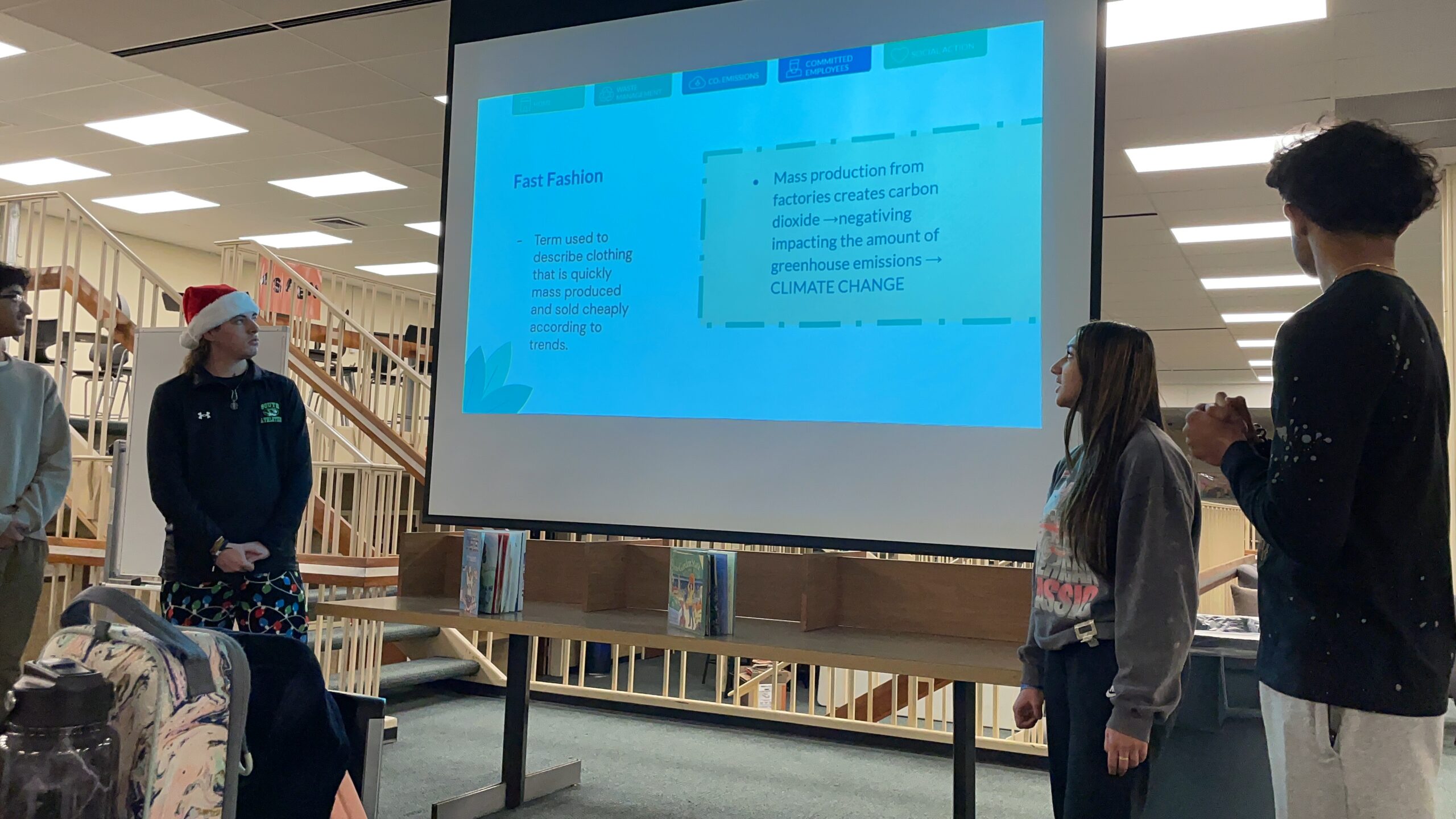
During her senior year of high school, Pari Patel worked alongside members of the Environmental Club to develop an upcycling initiative as part of the New Jersey Student Climate Challenge. Pari and her team recognized that fast fashion has become a major source of pollution because many people discard used clothing instead of finding ways to reuse or repurpose it. The industry contributes to climate change through its reliance on fossil fuels to manufacture clothing, the carbon emissions generated during the transportation of garments, and the greenhouse gases released when discarded clothing ends up in landfills. To inspire more sustainable habits, Pari and her team showed the South Plainfield community how existing clothing and fabric scraps could be transformed into new, practical, and reusable products, demonstrating that clothing can have a second life instead of becoming waste.
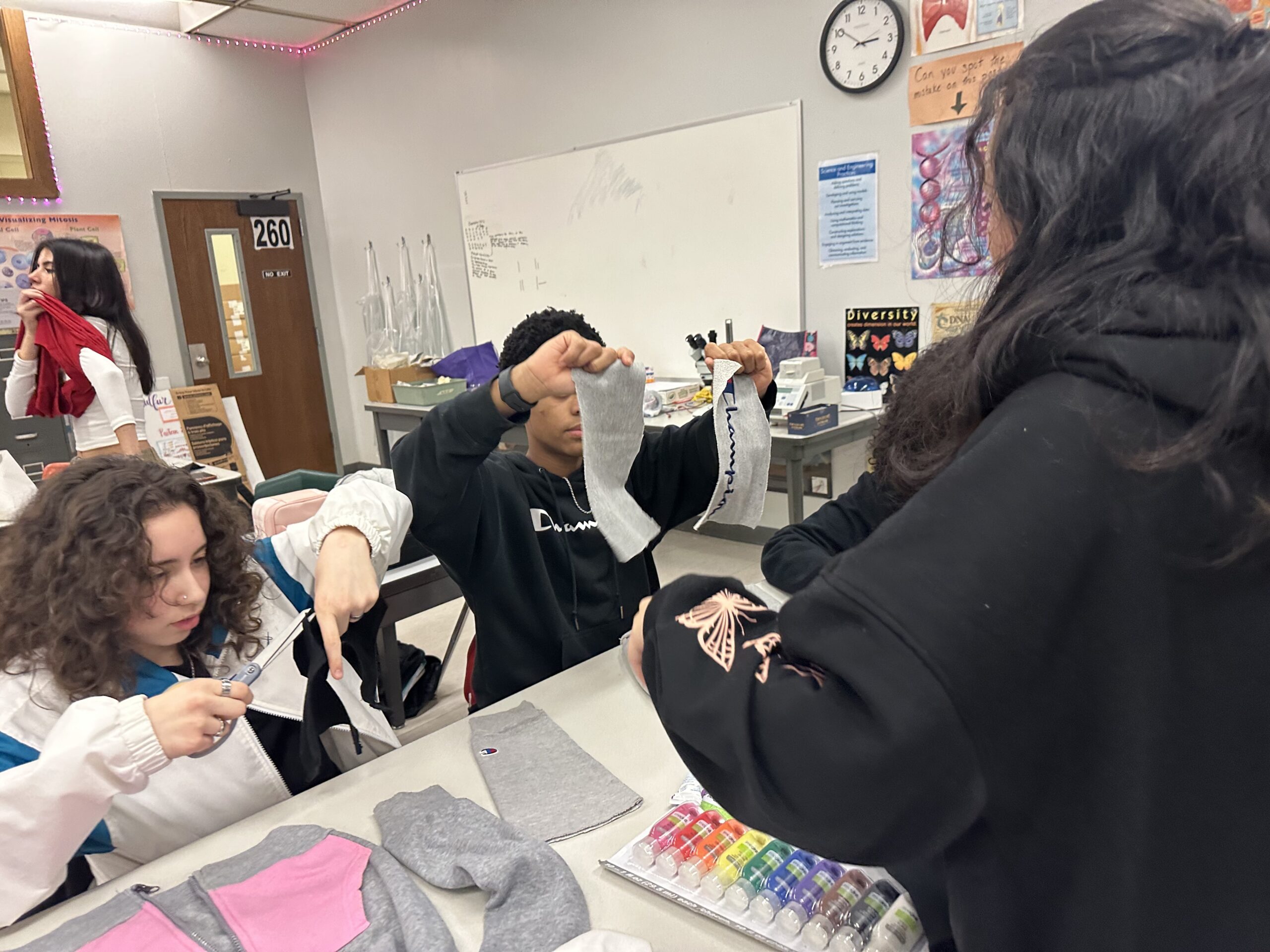
When advocating for an issue, educating others is one of the most effective ways to inspire change. The Environmental Science Club tailored its outreach efforts to engage different audiences in meaningful ways. Pari and her team created informative flyers about fast fashion and its impact on climate change, and produced educational videos that were featured on the school’s morning newscast to raise awareness among their peers. They also organized upcycling workshops where students used fabric paint, scissors, and other crafting materials to transform old clothing into something new, demonstrating how creativity can reduce textile waste. To expand their impact, the team visited another school and introduced Grade 5 and 6 students to upcycling through interactive activities, making sustainability fun, engaging, and easy to understand for younger audiences.
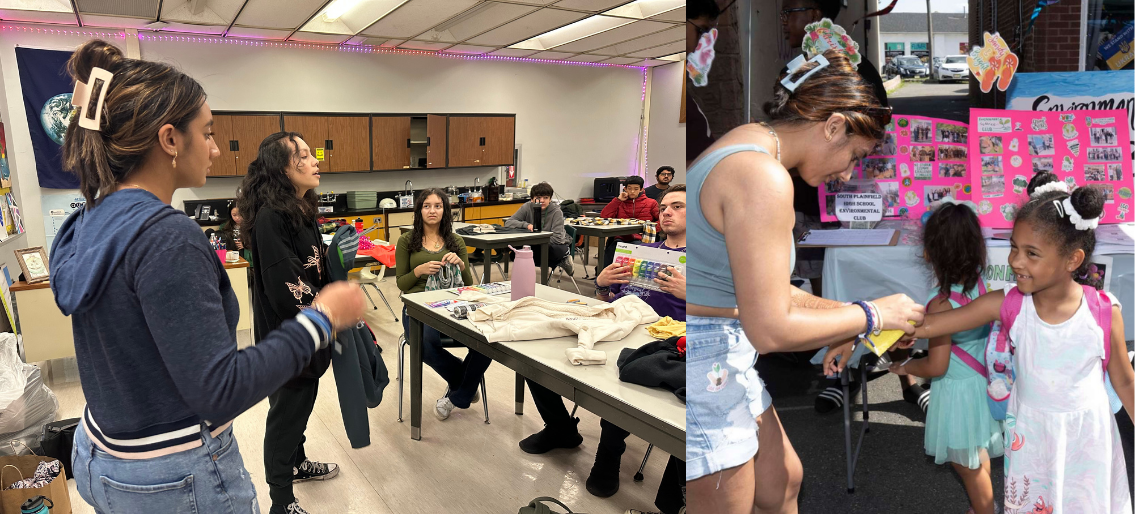
Extending the initiative beyond the school community was essential to increasing awareness of upcycling and the environmental impacts of fast fashion. To achieve this, members of the Environmental Science Club engaged directly with community members through their volunteer work at the local public library, where they discussed the initiative and encouraged sustainable clothing practices. Parents who visited the library generously donated clothing that their children had outgrown while learning how these garments could be given a second life instead of being discarded. The club also received clothing donations from another school through its lost-and-found collection, further supporting the initiative. In addition, a local senior center provided students with access to sewing machines, enabling donated garments to be transformed into new, functional items. Through these collaborative partnerships and community outreach efforts, the initiative promoted sustainable practices, diverted textiles from the waste stream, and strengthened public engagement in addressing the environmental impacts of fast fashion.
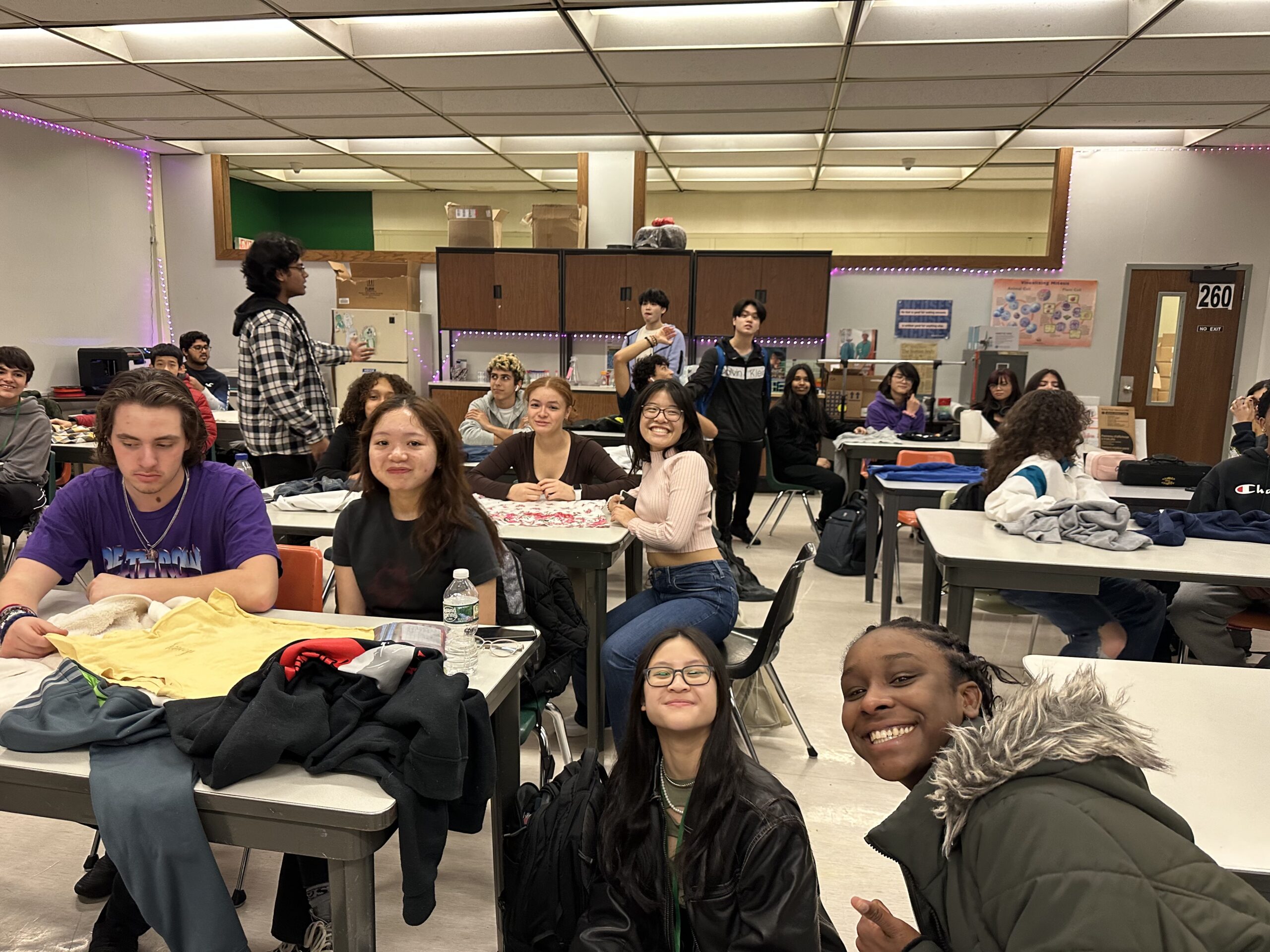
The success of this initiative demonstrated how a youth-led effort can inspire others to become more mindful of the unnecessary pollution associated with fast fashion. By encouraging individuals to view clothing as a resource rather than waste, the initiative changed perceptions of how garments are used and discarded while demonstrating that simple acts of repurposing clothing can help reduce their environmental footprint. Beyond promoting sustainable practices, the project fostered meaningful connections within the community and encouraged people of all ages to become more conscious of the environmental consequences of their everyday choices. Reflecting on her experience, Pari shared, “There’s nothing wrong with being interested in something that could impact the world.” Her passion for environmental advocacy continued beyond high school, leading her to serve on the executive board of the One Health Club in college, where she explored the interconnectedness of human, animal, and environmental health. Through the collective efforts of the Environmental Science Club and the support of the South Plainfield community, the initiative demonstrated that meaningful environmental action is most effective when individuals and communities work together toward a common goal.
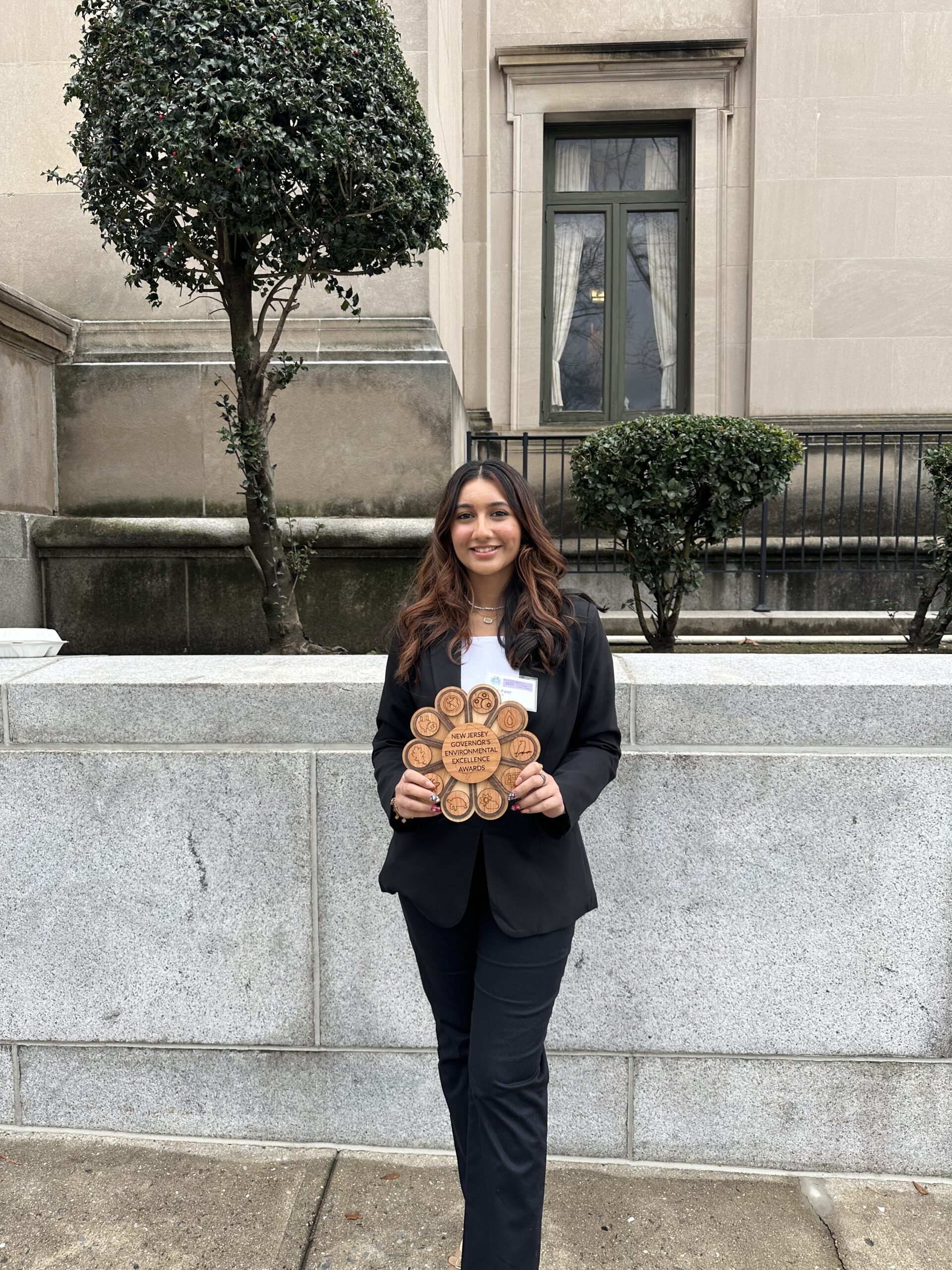
Thank you to Pari Patel for sharing the story of the upcycling initiative and providing the photos.