
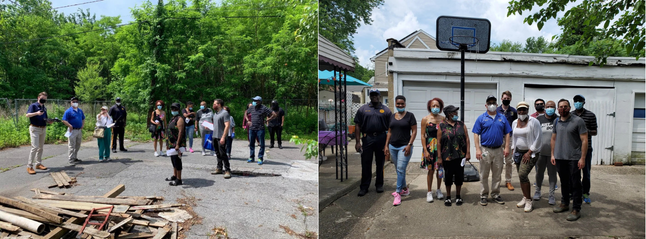
Residents of East Trenton had become increasingly concerned about the environmental problems affecting their neighborhood. Illegal dumping and abandoned buildings were becoming more common, and many felt their community was being overlooked. With support from the East Trenton Collaborative (ETC), residents came together to clean up Amtico Square, a site that had long been used for illegal dumping. State and local officials attended the cleanup to show their support, giving residents hope that real change was possible. Wanting to build on that momentum, the Environmental Safety Community Organizing Committee (ESCOC) was created under ETC in early 2020. The resident-led committee meets monthly and gives people in East Trenton a place to bring forward environmental concerns, and work together to find solutions that improve the health and well-being of their community.
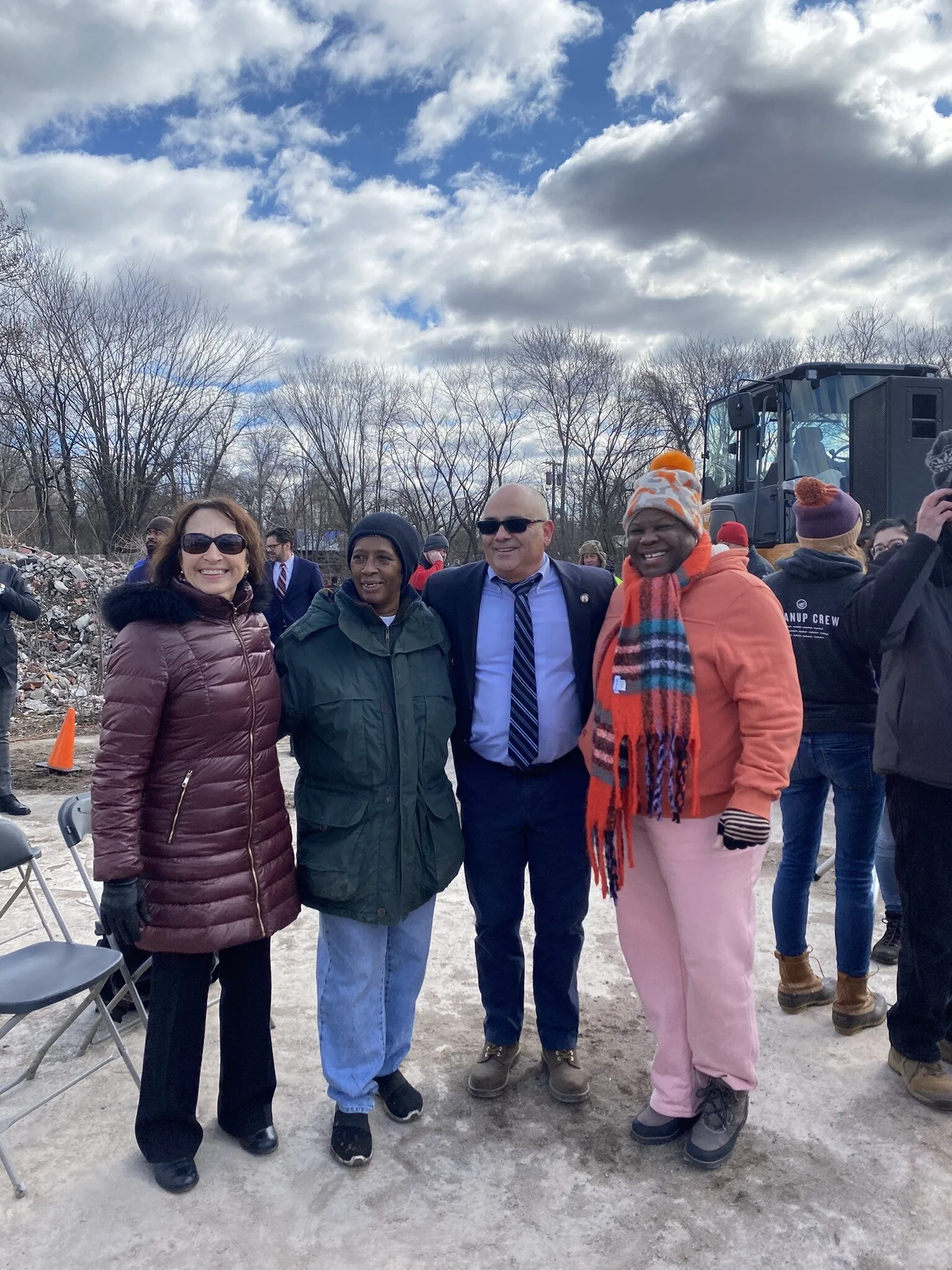
Around the same time, Lead Free NJ was looking for grassroots organizations to help spread awareness about lead contamination. When the organization approached ETC, Shereyl Snider, the community organizer, was shocked to learn about the dangers of lead exposure and its impact on human health. She was disappointed that she had never known about this issue before, especially knowing that people in her own community could have been exposed for years. From that point on, she helped guide ESCOC’s efforts to advocate for better resources and stronger government action to protect residents from lead. Back in 2018, the U.S. Environmental Protection Agency (EPA) had tested soil throughout East Trenton and confirmed dangerously high levels of lead. However, because the agency could not identify where the contamination had come from, it was unable to move forward with a cleanup. Many residents were frustrated that even though the government knew the neighborhood had high lead levels, nothing could be done because the source remained unknown.
Many people might have accepted the situation and moved on, believing there was little they could do if the government itself could not solve the problem. Shereyl and the residents chose a different path. Together, they organized Trenton’s Lead Awareness Day and Community BBQ, bringing neighbors together with free food, music, bingo, entertainment, and prizes while using the event to educate families about the dangers of lead exposure. They explained how lead can contribute to health problems such as behavioral issues, learning disabilities, lower IQ, high blood pressure, kidney damage, and preterm birth. Shereyl also worked to make sure the community had access to reliable information and scientific evidence. ESCOC partnered with the Rutgers Environmental and Occupational Health Sciences Institute (EOHSI), where Dr. Sean Stratton, a Rutgers student at the time, helped test soil samples that residents of all ages came together to collect from their yards, with volunteers ranging from as young as 15 to as old as 65. The results confirmed what many had feared. Lead levels in the soil were dangerously high. ESCOC also invited representatives from the New Jersey Department of Environmental Protection (NJDEP) and the EPA to its monthly meetings so residents could hear directly from officials, ask questions, and better understand the presence of lead in their homes.
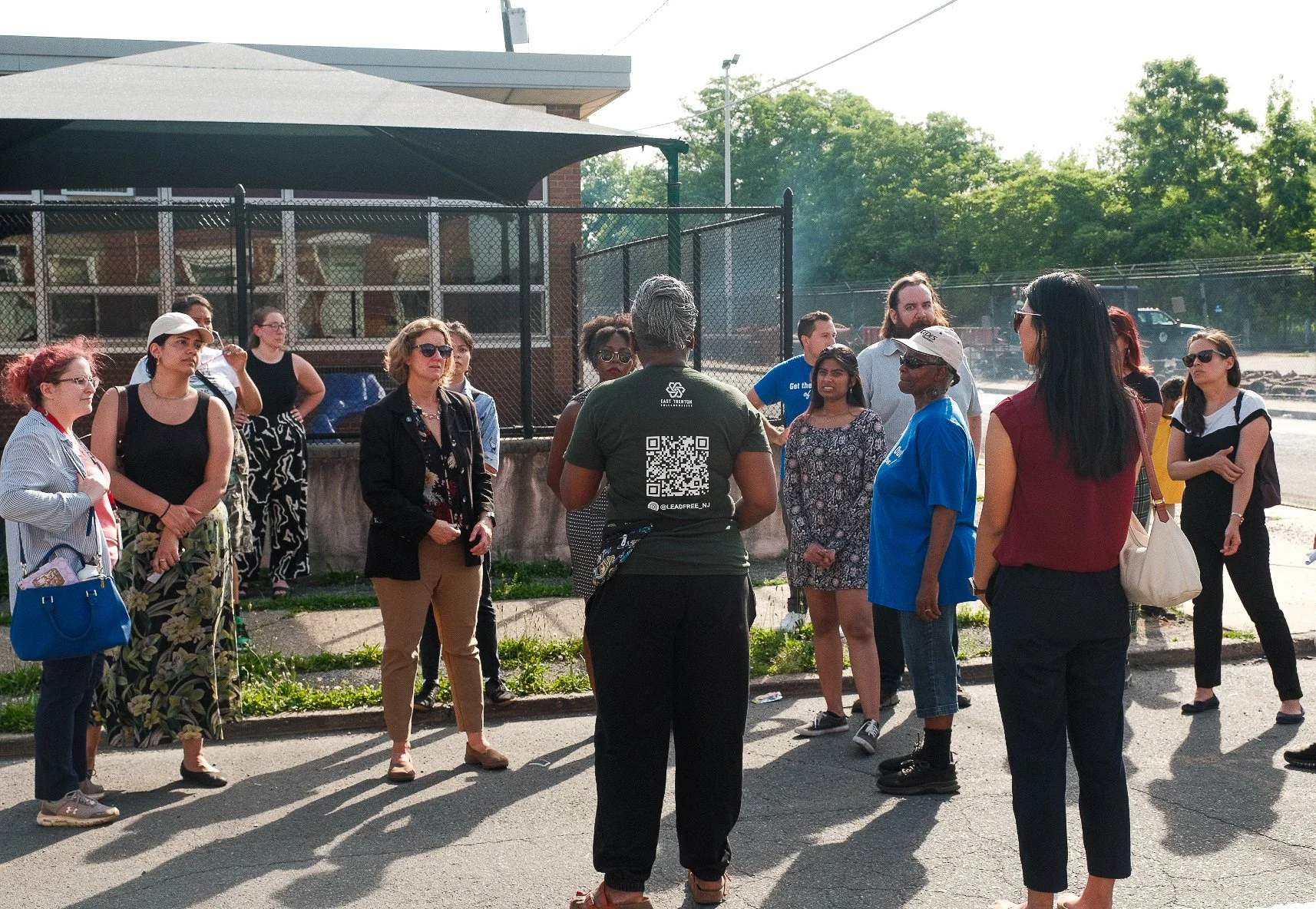
Shereyl’s leadership and ESCOC’s persistence led to meaningful improvements across East Trenton. After years of continued advocacy, the EPA identified the source of the contamination as historic pottery factories that operated in Trenton during the 19th and early 20th centuries. Lead-based glaze used in pottery production had contaminated the soil, and when homes were later built, backfill soil containing pottery fragments spread the contamination throughout the neighborhood. Once the source was identified, the EPA was finally able to begin cleanup efforts. Today, Grant Intermediate School, two local parks, and many residential properties have been made safer through temporary lead cleanup efforts. Raised garden beds have also been installed so residents can continue gardening without using contaminated soil. East Trenton has since been designated a Superfund site, allowing the federal government to fund long-term cleanup of lead contamination linked to the historic pottery industry. ESCOC has also built a strong partnership with the EPA, expanded lead testing through community events, and turned Lead Awareness Day into an annual tradition that continues to educate families and encourage lead testing throughout the community.
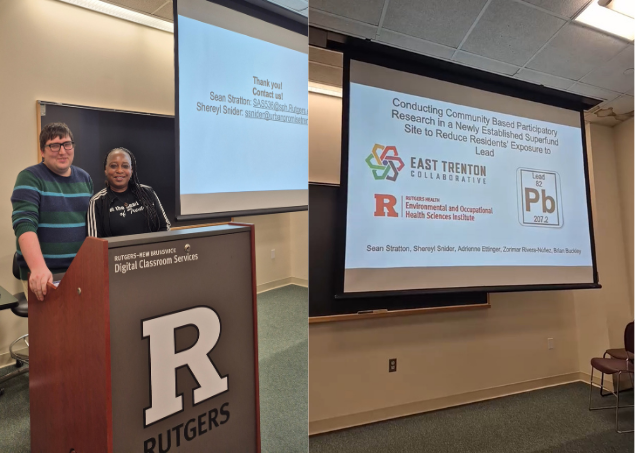
Thank you to Shereyl Snider and Kurt Lituma for sharing the story of the Environmental Safety Community Organizing Committee and its efforts to make East Trenton a better place. Learn more about ESCOC here.